School cafeterias operate under pressures most commercial kitchens never face.
Breakfast service starts early. Lunch periods are fast and crowded. Staffing is often limited. Budgets are tight. And every meal served must meet strict food safety standards while keeping up with changing nutrition programs.
That’s why reliable walk-in refrigeration matters so much in K-12 schools and universities.
A properly designed walk-in cooler or freezer doesn’t just store food—it supports workflow, protects inventory, reduces waste, and helps cafeteria teams serve students efficiently every day.
The Unique Challenges of School Foodservice
School kitchens face refrigeration demands that are very different from restaurants or convenience stores.
Many schools must:
- store large food deliveries
- support multiple meal periods daily
- handle seasonal menu changes
- manage USDA compliance requirements
- reduce food waste
- work within aging kitchen layouts
- maintain safe temperatures during constant traffic
Older or undersized walk-ins often struggle under these conditions.
Common problems include:
- temperature fluctuations during busy periods
- poor airflow from overcrowded storage
- doors left open during high traffic
- condensation and frost issues
- difficult inventory organization
- rising energy costs
- limited storage flexibility
When refrigeration systems can’t keep up, food quality and operational efficiency suffer.
Why Walk-In Design Matters in Schools
School kitchens don’t have time for inefficient layouts.
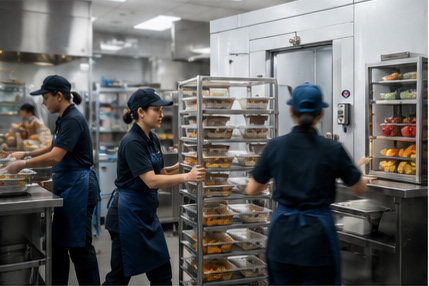
The right walk-in configuration helps cafeteria staff:
- organize product more effectively
- rotate inventory safely
- improve speed during meal prep
- reduce door-open time
- simplify cleaning and sanitation
- maximize limited kitchen space
Because no two school kitchens are alike, flexibility matters.
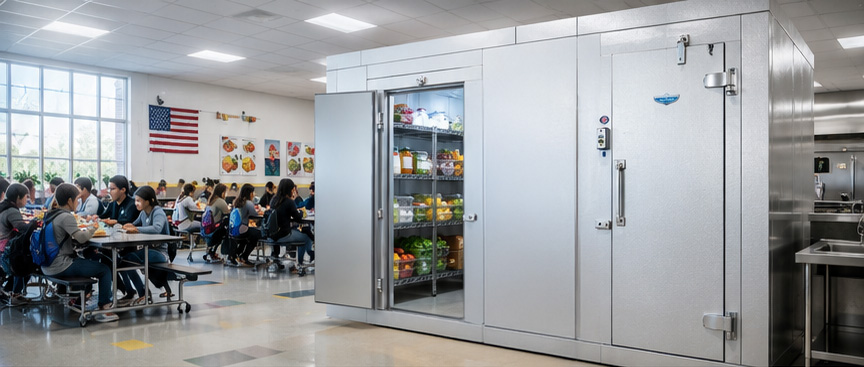
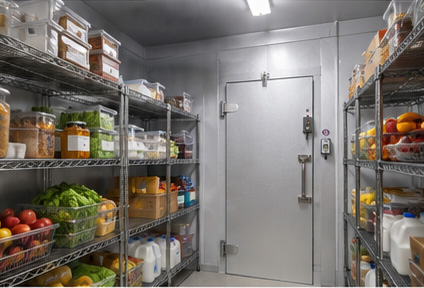
U.S. Cooler walk-ins are built with modular panel systems that allow schools to customize layouts around existing kitchens, tight spaces, and operational flow requirements. Whether it’s a compact elementary school cafeteria or a large university dining facility, customized sizing helps schools avoid wasted space while improving efficiency.
Food Safety Is Non-Negotiable
School foodservice operations are under constant scrutiny for food safety and sanitation.
Reliable refrigeration helps schools maintain proper holding temperatures and reduce risks tied to:
- spoilage
- bacterial growth
- cross contamination
- improper storage recovery
- inconsistent cooling performance
Air leaks, failing door seals, and aging refrigeration systems can quickly create unsafe storage conditions.
That’s why durable construction and tight panel sealing are critical in school environments. Properly sealed walk-ins help maintain stable temperatures while reducing humidity intrusion and energy loss.

Heavy Daily Use Requires Durable Construction
School walk-ins experience constant opening and closing throughout the day.
From morning deliveries to lunch rushes, doors and hardware take a beating.
That means school refrigeration systems need:
- durable door hardware
- dependable gaskets
- strong panel construction
- easy-to-clean finishes
- long-term reliability
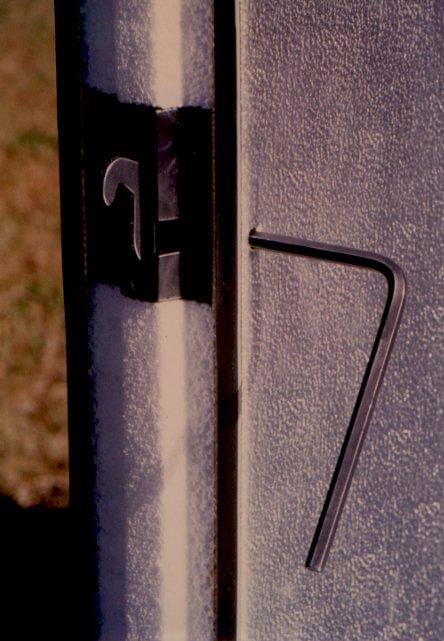
U.S. Cooler walk-ins are engineered for demanding daily operation with rugged panel systems, heavy-duty hardware options, and configurations designed for high-traffic environments.
Energy Efficiency Helps Tight Budgets
Every school district watches operating costs closely.
An inefficient walk-in can quietly drive up utility bills through:
- air leaks
- excessive compressor runtime
- poor insulation
- door sweating and frost buildup
- outdated refrigeration systems
Modern walk-ins with high-performance insulation and properly sealed panels help schools improve efficiency while lowering long-term operating costs.
Better temperature stability also helps reduce food waste—an increasingly important concern for school nutrition programs.

Planning for Growth and Menu Changes
Today’s school cafeterias look very different than they did a decade ago.
Many schools are expanding:
- fresh food programs
- grab-and-go offerings
- local sourcing initiatives
- bulk storage needs
- central kitchen operations
As menus evolve, refrigeration demands often grow too.
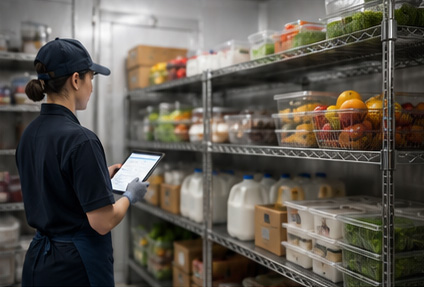
That’s why schools should size walk-ins not just for current inventory, but for future operational needs as well.
A flexible modular walk-in system gives schools the ability to adapt as programs expand.
Fast Installation Matters During School Breaks
School construction schedules are tight.
Many upgrades and renovations must happen during summer or holiday breaks, leaving little room for delays.
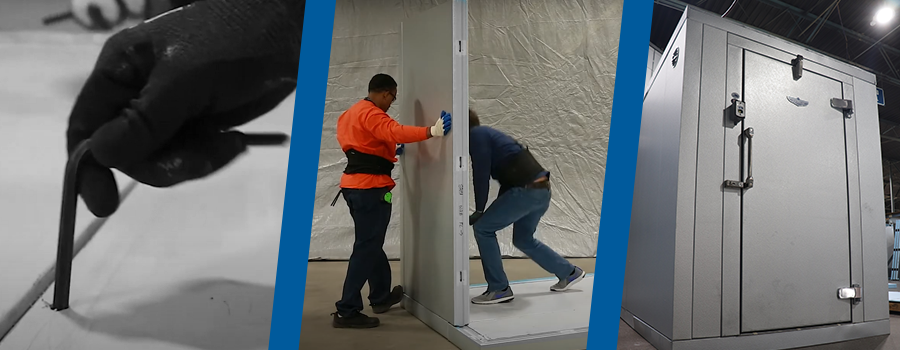
Modular walk-in systems simplify installation timelines and reduce disruption to cafeteria operations. Pre-fabricated panel systems allow faster assembly compared to traditional built-in refrigeration rooms.
For schools working against strict reopening deadlines, that speed can make a major difference.
Refrigeration Built for Education
School foodservice teams already manage enough challenges every day.
Your refrigeration system shouldn’t be one of them.
U.S. Cooler walk-in coolers and freezers are designed to help schools improve food safety, maximize storage efficiency, reduce energy waste, and support smoother daily operations—all while standing up to the demands of busy educational environments.
Whether you’re replacing aging refrigeration, expanding cafeteria storage, or planning a new school kitchen, the right walk-in design can have a lasting impact on performance and reliability.