When the first bell rings, school cafeterias go from summer slowdown to full-speed operation almost overnight.
Deliveries increase, shelves fill up, doors open more frequently, and foodservice teams are suddenly preparing hundreds—or even thousands—of meals each day. Your walk-in cooler or freezer becomes one of the hardest-working pieces of equipment in the kitchen.
Now that school is back in session, it’s a good time to make sure your walk-in is ready for the demands of another busy year. A few simple habits can help support consistent temperatures, better organization, food safety, and reliable performance throughout the school year.
Start With an Organized Walk-In
A busy cafeteria can accumulate inventory quickly. When deliveries arrive several times a week, it’s tempting to simply find an open spot and keep moving.
But organization matters.
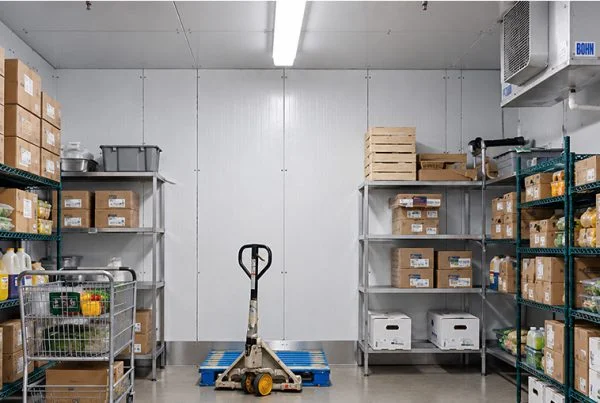
Create designated areas for different product categories and make sure employees know where items belong. Clearly labeled shelving can make receiving, inventory checks, and meal preparation easier while reducing the amount of time employees spend searching for products.
An organized walk-in also makes it easier to follow FIFO—First In, First Out—so older inventory is used before newer deliveries.
Good organization isn’t just about appearance. It helps your cafeteria team work more efficiently during busy meal-prep periods.
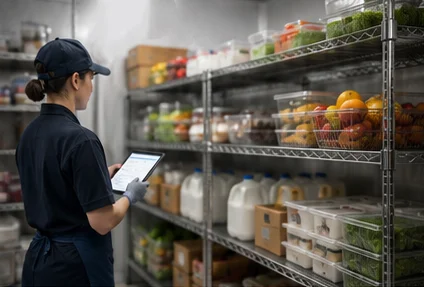
Don’t Overload the Walk-In
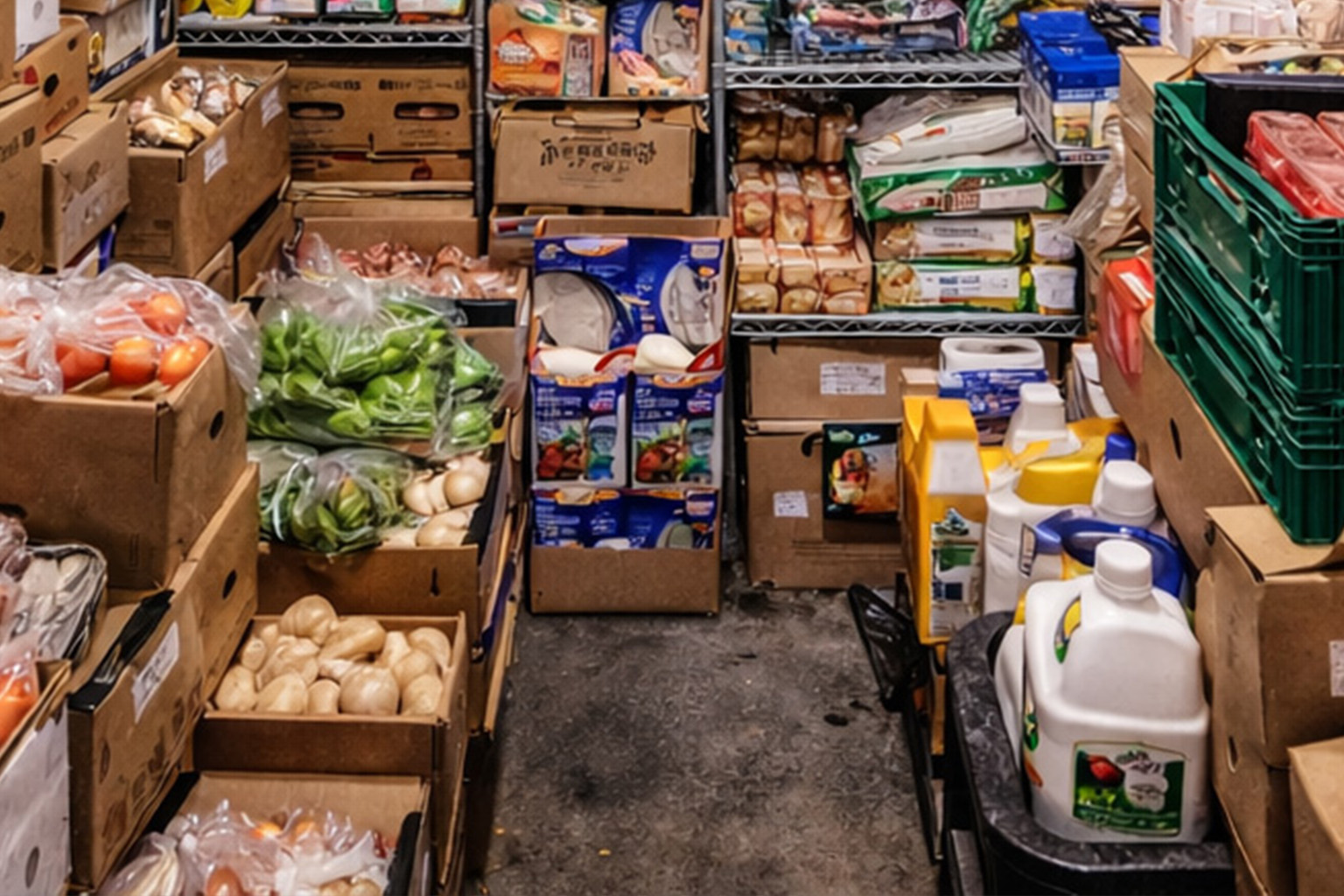
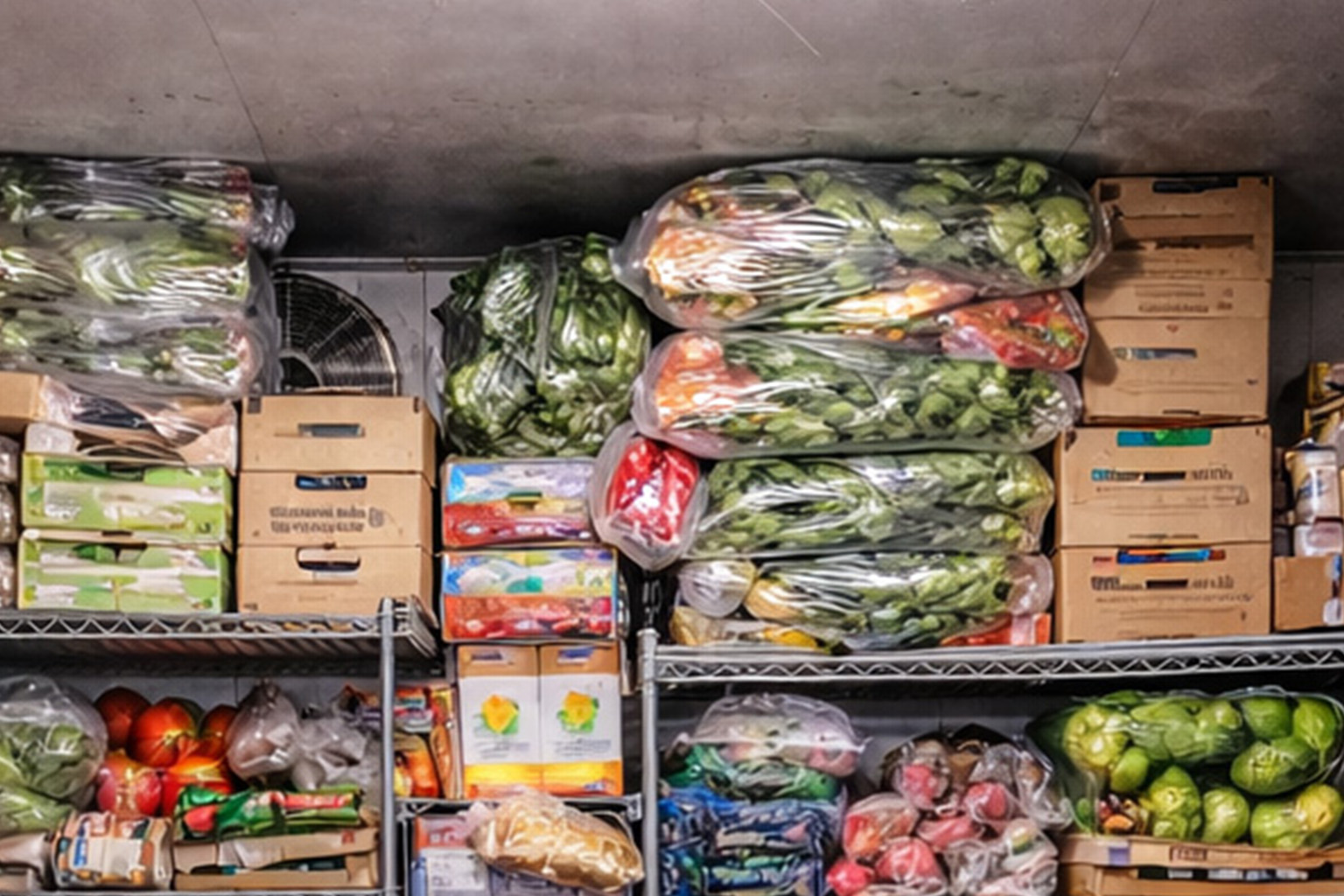
Back-to-school deliveries can quickly fill refrigerated storage.
While maximizing available space may seem efficient, packing a walk-in too tightly can interfere with airflow. Cold air needs room to circulate throughout the space and return to the refrigeration system.
Avoid stacking boxes directly in front of the evaporator or packing products tightly against walls and ceilings. Keep established airflow paths clear and follow the refrigeration equipment manufacturer’s recommended clearances.
If your walk-in is consistently packed from floor to ceiling, it may also be time to evaluate whether your school’s refrigerated storage capacity still matches current demand.
Enrollment, menus, fresh-food programs, and delivery schedules can change over time. Your storage needs may have changed with them.
Plan for Delivery Days
A large delivery doesn’t just add inventory—it can add heat.
Every time the walk-in door opens, warm, humid air enters the space. Bringing in large quantities of product can add an additional refrigeration load, particularly when products arrive warmer than the walk-in’s operating temperature.
During deliveries:
- Have employees ready before opening the walk-in.
- Organize incoming products before moving them inside when possible.
- Avoid leaving the door propped open longer than necessary.
- Move refrigerated and frozen products into proper storage promptly.
- Allow room around newly stocked products for cold air to circulate.
Efficient receiving practices can reduce unnecessary door-open time and help the walk-in recover after a busy delivery.
Keep the Door Closed
It sounds simple, but in a busy school kitchen, the walk-in door may open dozens—or even hundreds—of times throughout the day.
Every opening allows conditioned air out and warmer, more humid air in.
Encourage employees to know what they need before entering the walk-in rather than standing with the door open while deciding. Avoid propping the door open during stocking unless operationally necessary, and make sure the door closes completely after each use.
A properly functioning self-closing door can be especially valuable in high-traffic cafeteria environments.
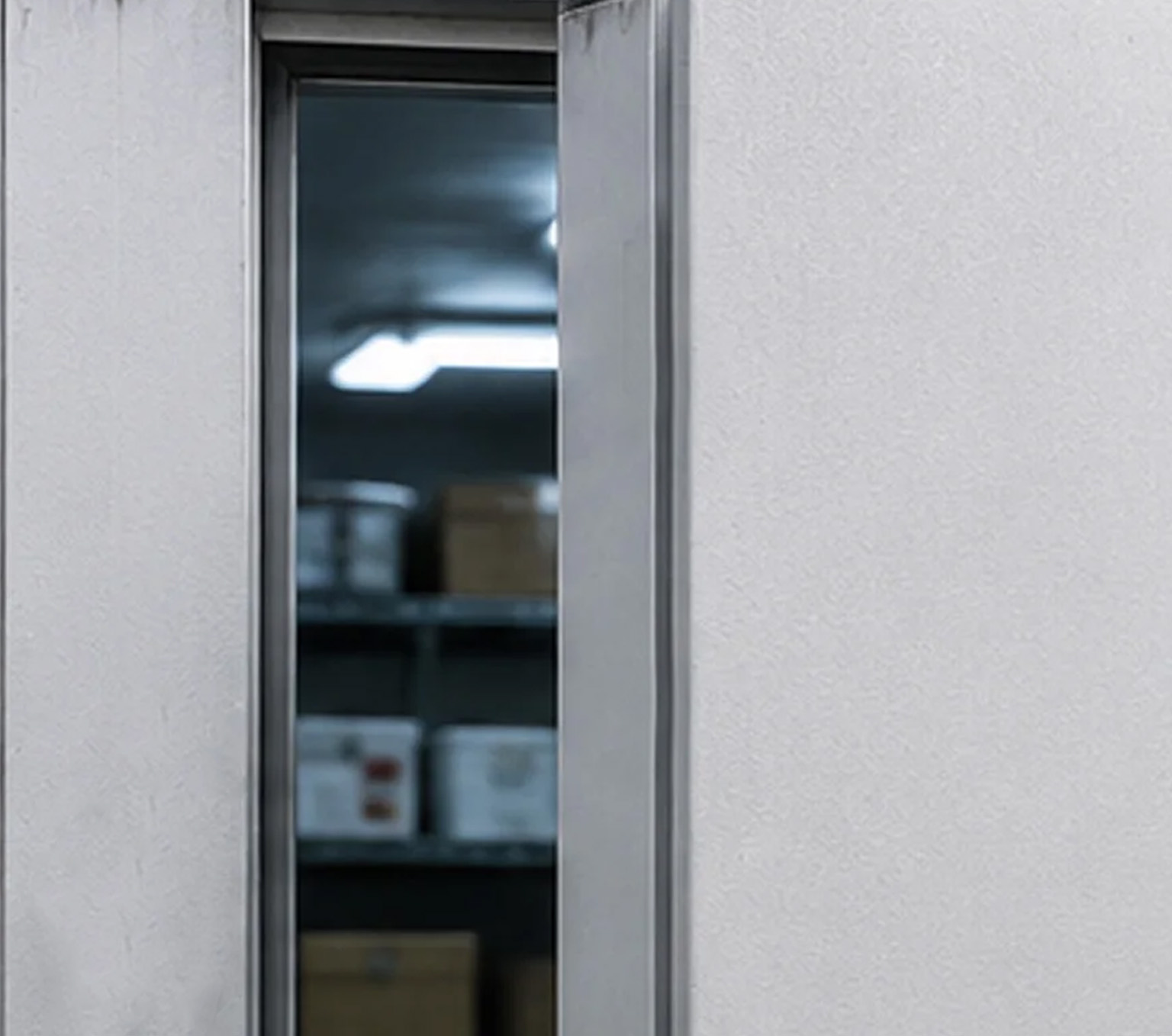
Check Your Door Gaskets
Your walk-in door may close, but that doesn’t necessarily mean it’s sealing properly.
Inspect the gasket around the entire perimeter of the door. Look for:
- Tears or cracks
- Hardened gasket material
- Loose sections
- Areas that don’t make contact with the frame
- Visible gaps when the door is closed
- Moisture, condensation, frost, or ice near the opening
A damaged or poorly sealing gasket allows unwanted air infiltration and can make it more difficult to maintain the desired environment inside the walk-in.
Make gasket inspection part of your cafeteria’s regular maintenance routine rather than waiting until there’s an obvious problem.
Watch for Ice and Moisture
Water or ice on a walk-in floor shouldn’t simply become something employees learn to step around.
Besides creating a slip hazard, recurring moisture or ice can be a sign that something needs attention.
Check for spills, damaged gaskets, doors that aren’t closing properly, clogged drains, or other sources of moisture. Freezer entrances and areas around doors deserve particular attention because warm, humid air entering the space can contribute to frost and ice formation.
Clean spills promptly and investigate recurring problems rather than repeatedly cleaning up the symptom.
Keep It Clean
School kitchens operate under demanding sanitation standards, and the walk-in should be part of the regular cleaning schedule.
Clean spills as soon as they happen. Remove cardboard debris, damaged packaging, food residue, and other buildup from floors and shelving.
Pay special attention to:
- Floors
- Shelving
- Door gaskets
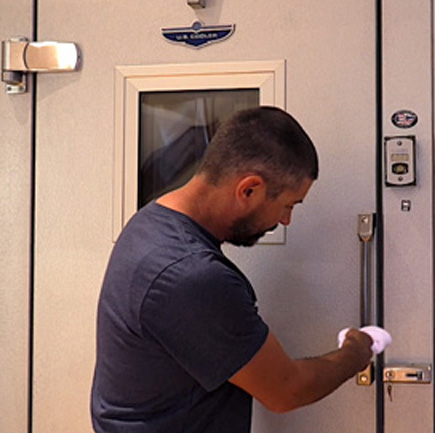
- Door handles
- High-touch surfaces
- Corners and areas underneath shelving
Cleaning also creates an opportunity to inspect the walk-in. Employees are more likely to notice a damaged gasket, loose piece of hardware, unusual frost pattern, or other developing issue when the space is clean and organized.
Don’t Block the Evaporator
The evaporator needs unobstructed airflow to do its job.
Boxes, shelving, or other items should never be positioned in a way that blocks the evaporator fans or prevents air from returning to the unit.
This is particularly important after large deliveries, when employees may be looking for any available space.
Make sure everyone who stocks the walk-in understands that the area around the evaporator isn’t extra storage space.
Pay Attention to the Floor
School cafeteria walk-ins can handle a lot of traffic—employees, racks, carts, cases of food, and heavy inventory.
Know what your floor is designed to handle.
Before introducing new carts, racks, or heavier storage systems, confirm that they are appropriate for the walk-in floor. Damage caused by inappropriate loading or wheeled equipment can become a much larger issue than a scratched surface.
If you’re planning a replacement or new walk-in, discuss how employees actually move products through the space so the floor can be properly specified for the application.
Make Walk-In Checks Part of the Routine
The cafeteria team doesn’t need to become a refrigeration service department. They do, however, interact with the walk-in more than anyone else.
That makes them your first line of defense.
Encourage employees to report:
- Unusual temperatures
- Doors that don’t close correctly
- Torn or loose gaskets
- New or unusual noises
- Recurring frost or ice
- Water on the floor
- Damaged hardware
- Lights that aren’t working
- Changes in refrigeration performance
Small problems are much easier to address when they’re noticed early.
Consider adding a quick walk-in inspection to your opening or closing checklist.
Is Your Walk-In Still Right for Your School?
Sometimes the issue isn’t maintenance or organization. The operation has simply outgrown the space.
Today’s school foodservice programs may look very different from when an existing walk-in was originally installed. Schools are offering more fresh foods, grab-and-go options, expanded menus, locally sourced ingredients, and centralized meal production.
If your staff constantly struggles to find storage space, rearranges inventory just to make deliveries fit, or operates with a walk-in packed to capacity, it may be worth reevaluating your refrigeration needs.
A properly sized walk-in should support the operation—not create another daily challenge for your cafeteria staff.
Start the School Year Strong
Back-to-school season is busy enough without refrigeration problems.
Keeping your walk-in clean, organized, properly loaded, and regularly inspected can help support reliable performance throughout the school year. Just as importantly, good walk-in habits make it easier for cafeteria employees to find what they need, maintain an orderly storage environment, and keep foodservice operations moving during the busiest parts of the day.
And when it’s time to replace an aging walk-in, expand refrigerated storage, or plan a new school kitchen, U.S. Cooler can help design a walk-in cooler or freezer around the needs of your foodservice operation.