When people think about walk-in performance, they focus on the refrigeration system, doors, and insulation. But flooring is one of the most overlooked parts of walk-in planning—and it matters more than many operators expect.
The right floor supports:
✅safety and sanitation
✅long-term durability
✅temperature stability
✅moisture control
✅daily workflow and traffic
The wrong floor can create:
✅ repeated ice issues
✅ water intrusion concerns
✅ structural wear over time
✅ sanitation challenges
✅ slip hazards and maintenance headaches
In this article, we’ll explain why flooring decisions matter, what factors you should consider, and how to choose the best approach for your operation.
Why Walk-In Flooring Is Different Than Standard Flooring
Walk-ins operate in environments that amplify small problems.
Coolers and freezers constantly deal with:
- temperature differences between inside and outside air
- humidity intrusion during door openings
- heavy foot traffic
- carts, racks, and pallet movement
- cleaning routines and washdown exposure (depending on the operation)
That means flooring needs to be designed for both cold performance and daily use.
The Main Walk-In Flooring Factors to Consider
Before choosing flooring, ask these key questions:
1) Is it a cooler or a freezer?
Freezers are more sensitive to:
- moisture intrusion
- icing at the door
- thermal performance
- condensation turning into ice
Freezer flooring must support long-term performance under colder conditions.
2) How much traffic and weight will the floor handle?
Will you move:
- carts
- racks
- pallet jacks
- heavy deliveries
- rolling bins
Flooring needs to support real-world traffic without cracking, shifting, or becoming unsafe.
3) What cleaning methods will be used?
Some operations require frequent sanitation cleaning. Flooring should support your cleaning routine without degrading or creating moisture traps.
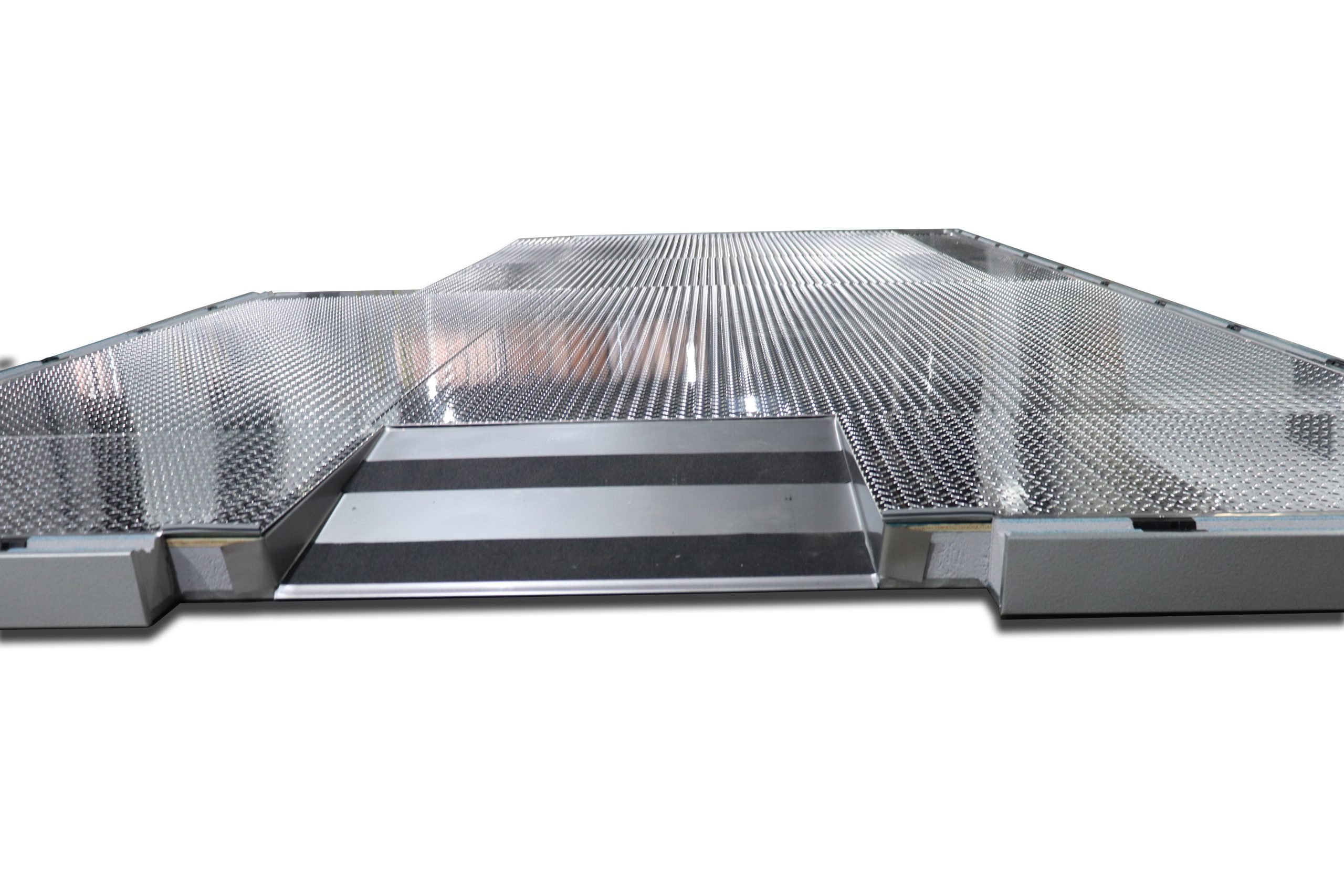
4) Do you need a floor included or a floorless design?
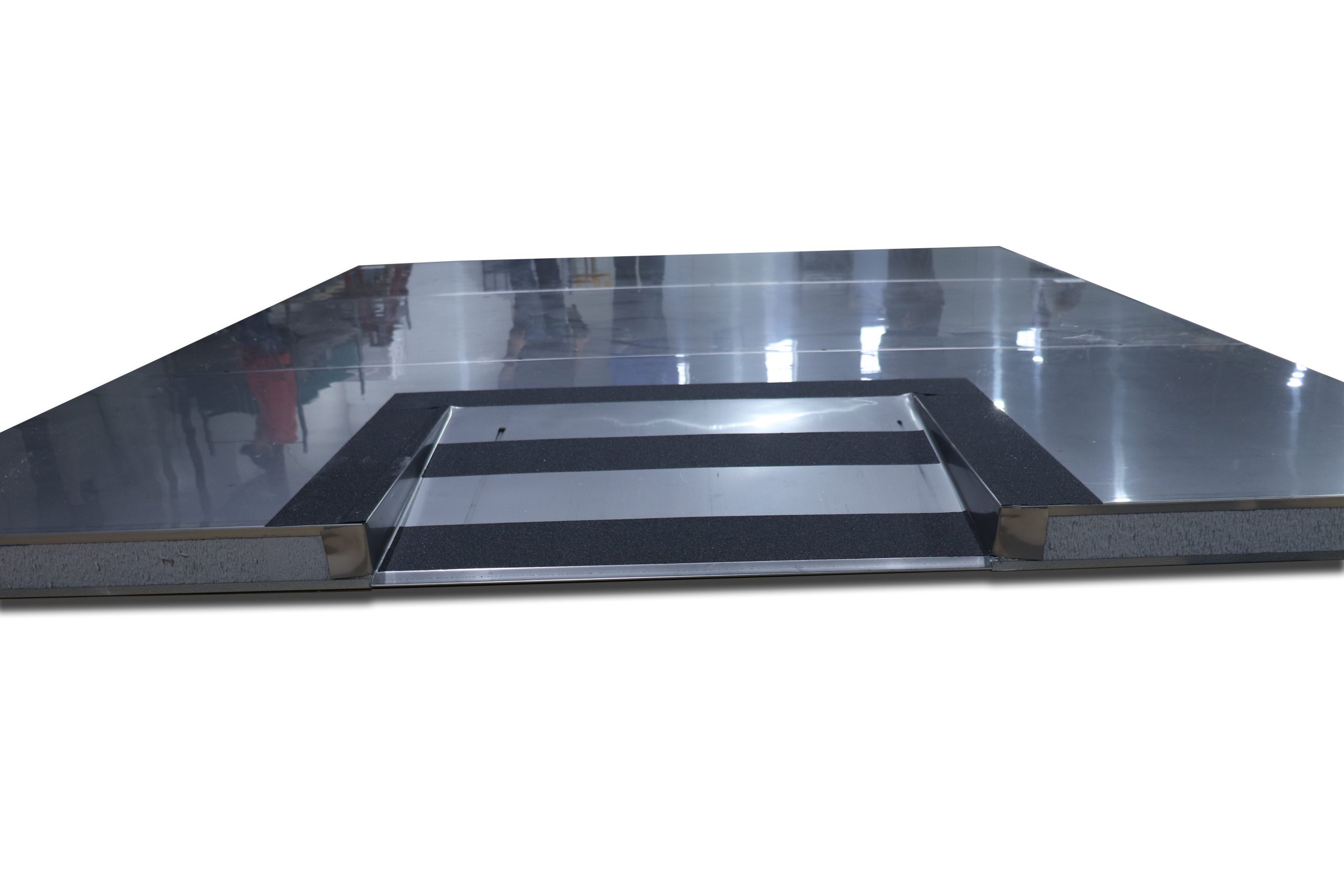
Some installations use an existing slab as the base. Others require an insulated floor to support performance.
The best choice depends on:
- application
- site conditions
- load requirements
- insulation needs
- local code and installation requirements
Common Flooring Challenges (and What Causes Them)
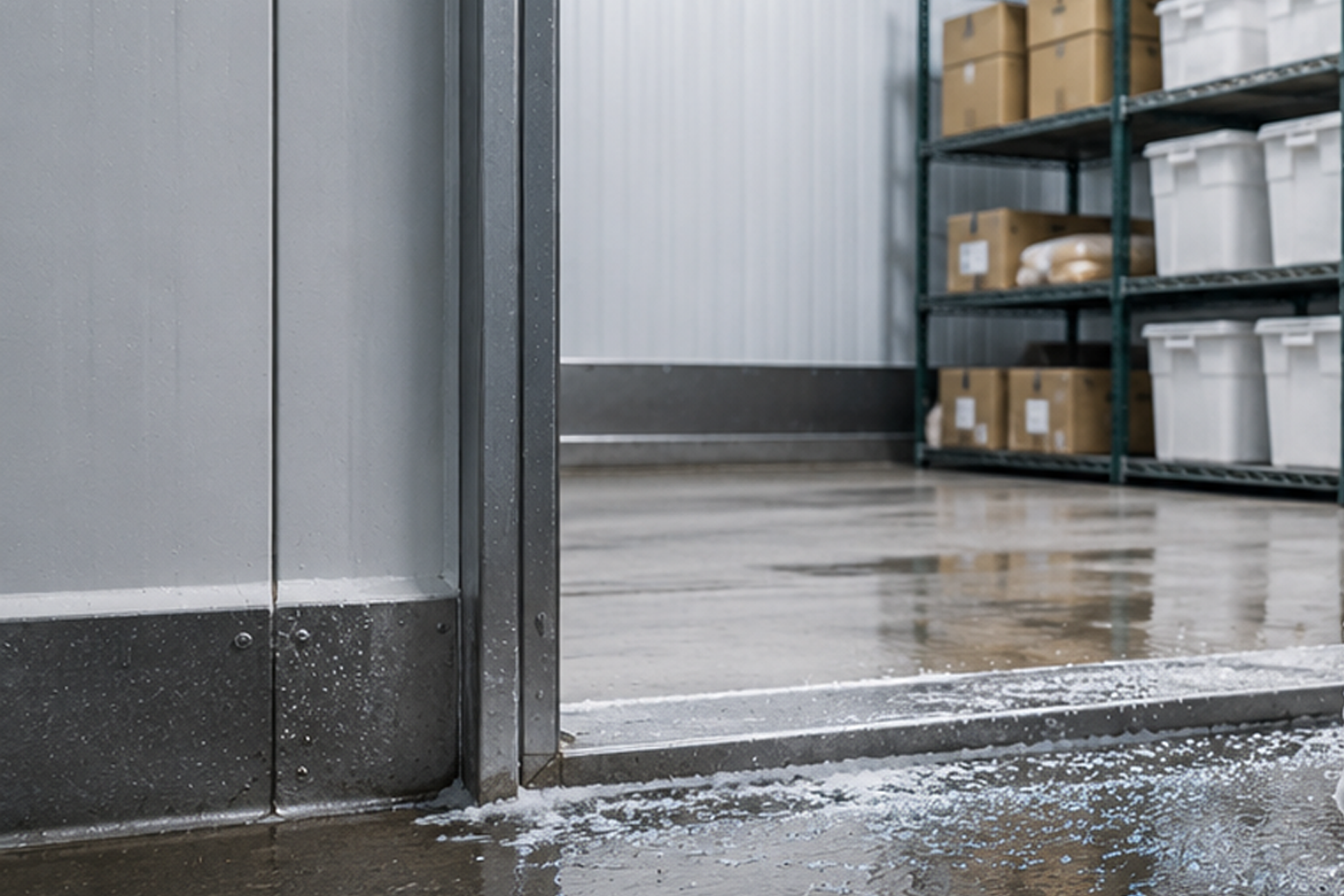
Issue 1: Ice at the entrance
This is often tied to:
- humidity entering the walk-in
- door seal issues
- sweep/threshold wear
- heavy traffic patterns
Flooring design and entrance sealing work together—if either is wrong, you’ll see icing issues.
Issue 2: Water pooling
Pooling water in coolers usually indicates:
- spills not draining properly
- poor floor slope
- blocked drainage
- heavy condensation at the door
Water pooling is a sanitation and safety concern and should be addressed early.
Issue 3: Wear from heavy equipment
If pallet jacks or heavy racks are used, flooring must be built to handle it.
Over time, improper flooring can crack, shift, or create uneven surfaces.
Flooring Best Practices for Long-Term Results
Here are the flooring principles that support long-term performance across most applications:
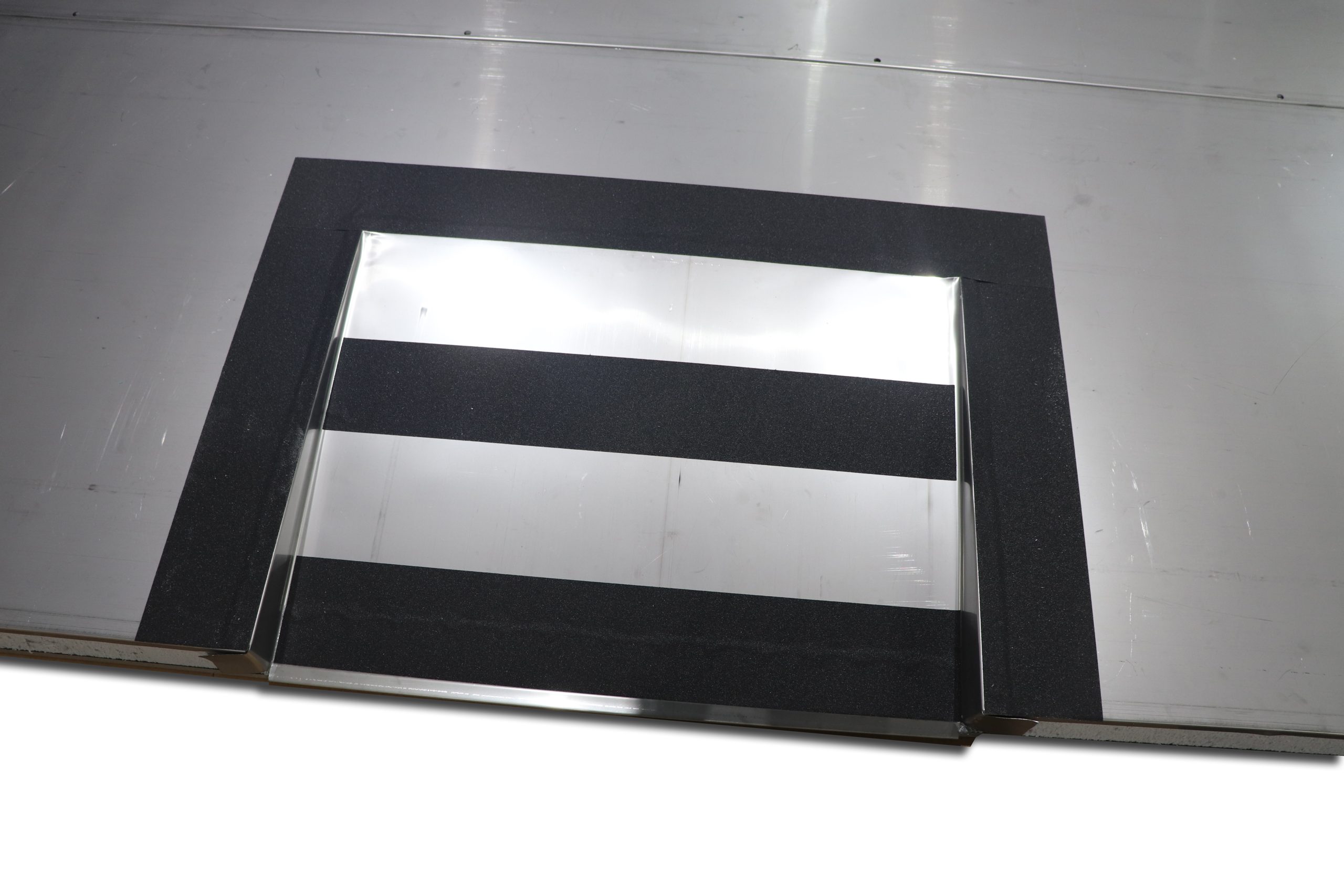
1) Prioritize durability and safety
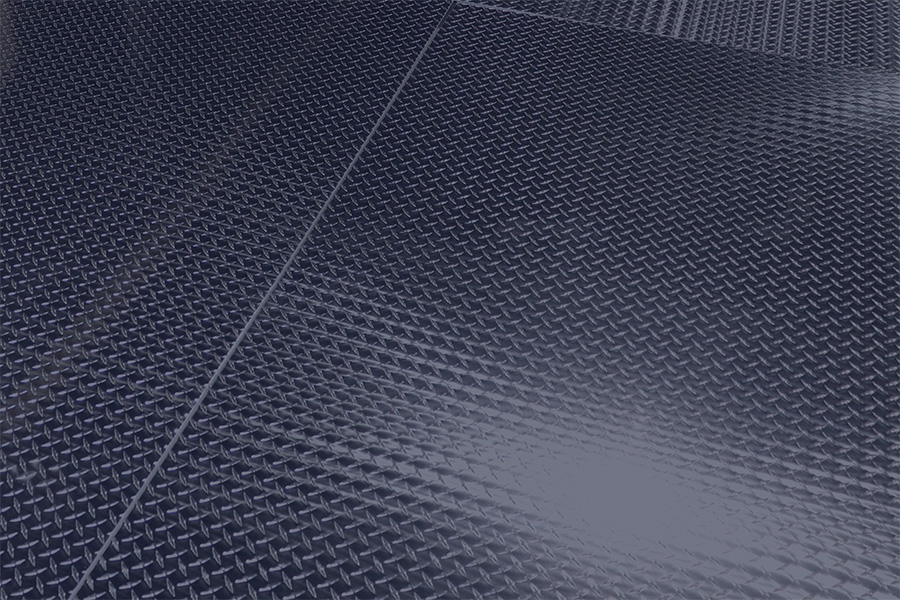
Smooth flooring may look nice, but it must still support traction and daily movement.
A safe floor prevents accidents and improves workflow.
2) Don’t ignore moisture control
Moisture is the enemy of walk-in durability. Flooring should support:
- proper sealing at edges
- cleanability
- prevention of standing water
3) Match flooring to how the walk-in is used
A light-duty walk-in used for occasional storage has very different needs than a high-traffic operation with carts and heavy deliveries.
Choosing flooring based on real usage prevents regret later.
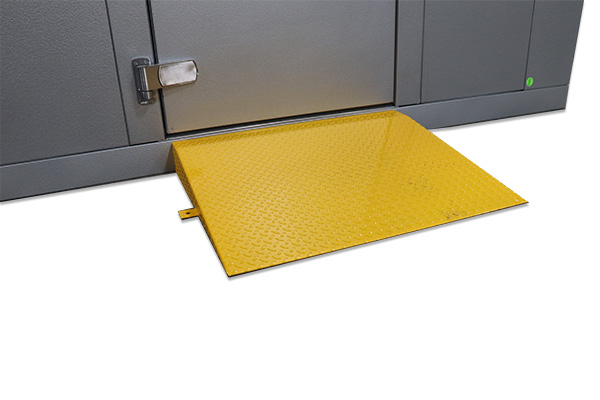
4) Plan for the entrance area
Most floor issues start at the door because of traffic and humidity.
Proper sealing, thresholds, and smart usage patterns reduce floor-related problems dramatically.
Final Takeaway: Flooring Impacts Performance, Safety, and Longevity
Flooring isn’t just a construction detail—it’s part of how your walk-in operates every day.
The right flooring supports:
✅ better safety and sanitation
✅ smoother workflow and traffic
✅ fewer moisture and icing problems
✅ long-term durability
If you’re planning a new walk-in or upgrading an existing space, consider flooring early in the process. It’s one of the best ways to protect your investment long-term.