
Walk-in emergencies almost never happen at a convenient time.
They show up during:
- the busiest week of the year
- mid-service in a restaurant
- right after a major delivery
- the day before a holiday
- peak volume at a high-traffic facility
The frustrating part is that most emergency service calls don’t come from sudden, unpredictable failures. They come from issues that build up over time—until the system can’t keep up anymore.
The best way to avoid emergency calls is simple:
catch the most common warning signs early.
Here are the three walk-in problems that drive the majority of emergency service situations—and what to look for before they become a crisis.
1) Door Seal Failure (Air Leaks That Snowball into Big Problems)
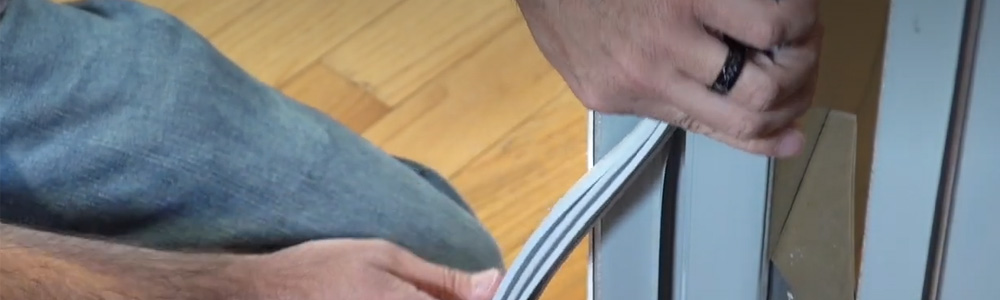
A walk-in door seal is one of the most critical parts of performance. When it fails, the walk-in starts losing efficiency immediately.
Warm air and humidity enter constantly, causing:
- longer runtime
- slower recovery after stocking
- temperature instability
- condensation and moisture issues
- frost and ice buildup in freezers
Early warning signs:
- condensation around door frames (coolers)
- frost/ice near the entrance (freezers)
- visible gasket gaps or corner separation
- door doesn’t feel snug when latched
- staff must “push” the door shut to seal
Why this becomes an emergency:
When door leaks continue, the walk-in struggles to maintain safe temperatures—especially during peak traffic.
Door issues also lead to:
- ice buildup that prevents sealing
- doors sticking or freezing shut
- system strain from constant load
Catching gasket and alignment issues early prevents a chain reaction.
2) Airflow Restriction (The Silent Performance Killer)
The #1 reason walk-ins “slow down” over time isn’t always mechanical—it’s airflow being restricted inside the box.
When airflow is blocked, cold air can’t circulate properly, and the system works harder trying to stabilize temperatures.
Common causes:
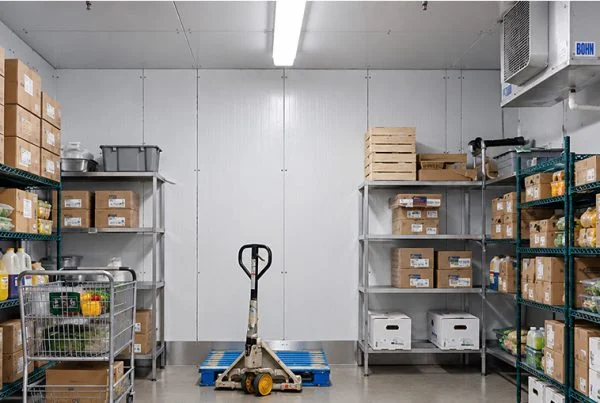
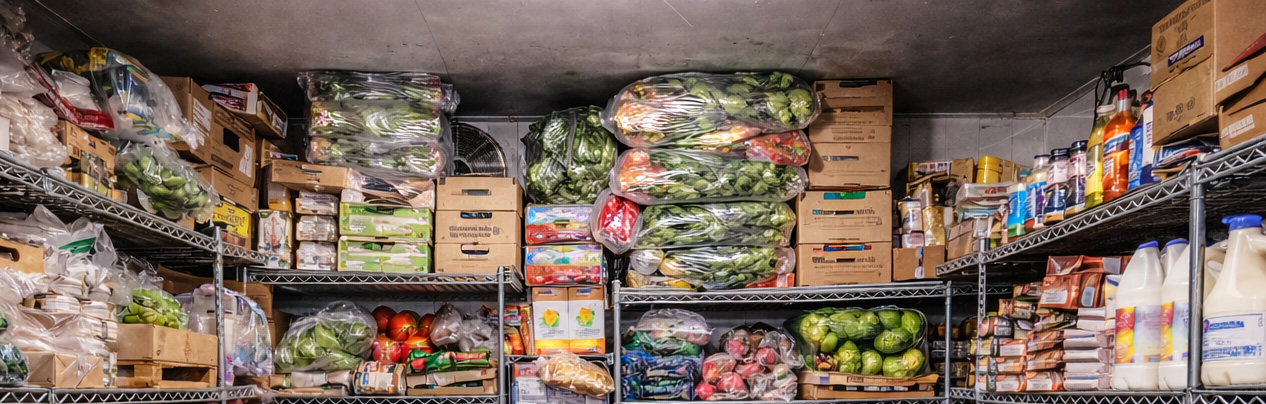
- product stacked too close to evaporator fans
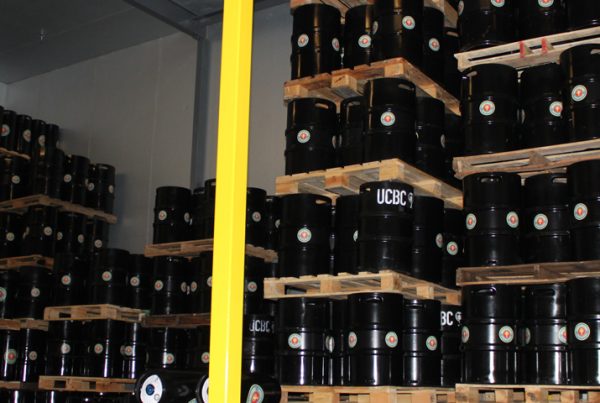
- overpacking shelves wall-to-wall
- blocked return airflow paths
- cluttered aisles and corners
- peak season inventory increases
Early warning signs:
- certain shelves stay warmer than others
- recovery time takes longer after stocking
- warm pockets appear in corners
- product cools unevenly
- the unit runs longer than it used to
Why this becomes an emergency:
Airflow restriction makes the system run harder for longer. Over time, that strain increases risk of failure—especially during summer or peak season.
Simple reorganization can often prevent the situation from escalating.
3) Moisture and Ice Issues (Small Buildup That Turns Dangerous)
Moisture problems often start small and seem manageable:
- a little water near the entrance
- minor frost near the frame
- a thin ice patch on the floor
But moisture almost always gets worse if the source isn’t addressed.
Common causes:
- door seal issues
- frequent door-open time
- sweep/threshold gaps
- drainage issues
- high humidity conditions
Early warning signs:
- recurring wet spots near the entrance
- frost that keeps returning
- ice buildup around the threshold
- floor ice patches that reappear after cleanup
Why this becomes an emergency:
Moisture and ice can lead to:
- slip hazards
- doors that won’t close properly
- heavy ice buildup that blocks operation
- performance loss from humidity intrusion
In freezers, ice buildup can quickly turn into a safety and operational emergency.

The “5-Minute Walk-In Check” That Prevents Emergencies
You don’t need advanced tools to catch most problems early. A simple walkthrough can reveal warning signs.
Check these weekly:
✅ gasket condition and sealing contact
✅ door closure and latch tightness
✅ floor moisture or entrance ice
✅ airflow clearance around evaporators
✅ signs of hot spots inside the box
Small issues caught early prevent big service calls later.
Final Takeaway: Most Emergencies Are Preventable
Emergency calls are rarely random. They usually come from three predictable causes:
- door sealing problems
- airflow restriction
- moisture and ice buildup
If you catch those early, you reduce:
✅ downtime risk
✅ product loss
✅ service costs
✅ stress during peak operations
Walk-ins are designed to be reliable—but reliability depends on small details staying under control.