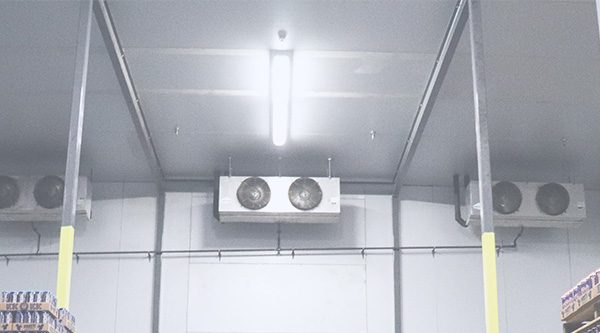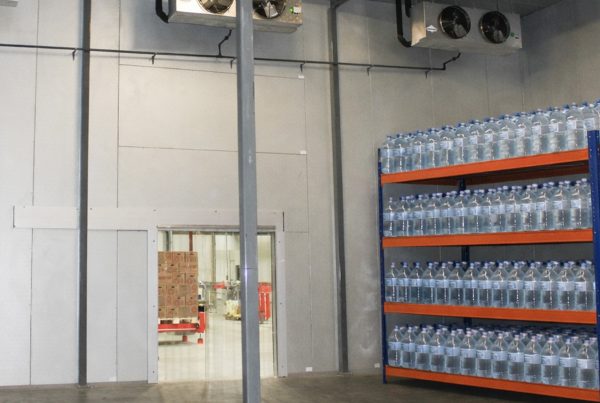

Fall is one of the best times of year to handle walk-in cooler and freezer maintenance.
Why? Because winter weather doesn’t just bring cold temperatures—it brings conditions that can magnify small problems into big ones:
- door seals shrink and leak more easily
- traffic patterns change as peak seasons ramp up
- moisture intrusion becomes frost and ice faster
- freezing air around entrances can create door and threshold issues
- service calls become more frequent when equipment is under heavy load
The smartest approach is simple: fix small issues now, before cold weather turns them into downtime.
Here are the most important items to inspect and address during fall maintenance.
1) Door Gaskets: Your Winter “Weather Seal”
A gasket that’s slightly worn in summer can become a major problem in winter.
When gaskets don’t seal tightly, warm humid air gets pulled into cold spaces—especially freezers. That moisture turns into frost and ice around:
- the frame
- the threshold
- corners and edges
- the gasket contact zone
What to look for:
- cracking or tearing
- stiffness or flattening
- corners pulling away from the frame
- gaps you can see or feel
Why it matters in winter:
Even a small leak can create a steady ice buildup that makes doors harder to close and creates slip hazards at the entry.

2) Door Alignment: When the Door “Closes” but Doesn’t Seal
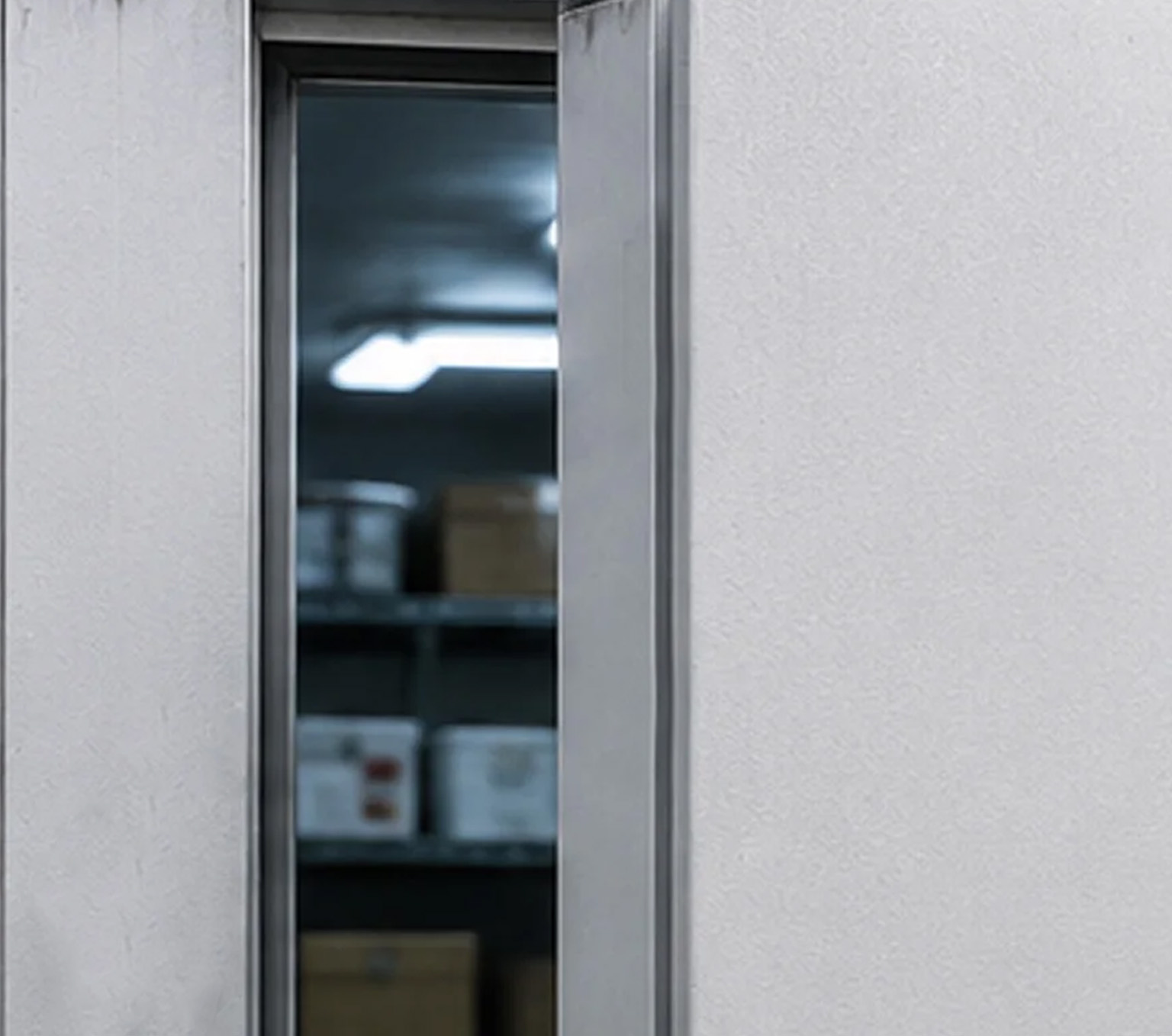
Many doors close and latch—but still leak air because the door isn’t pulling tight against the gasket.
This can happen from:
- hinge wear (door sag)
- latch/strike misalignment
- closer performance issues
- warped or uneven closure paths
Warning signs:
- door rubs while closing
- staff has to “slam” it
- the latch doesn’t feel snug
- the door bounces back slightly after closing
- frost/ice develops around one corner more than others
Why it matters in winter:
A door that’s slightly misaligned becomes a constant air leak, and winter conditions make that leak show up as frost and ice quickly.
3) Sweeps & Thresholds: Stop Cold-Weather Problems at the Floor
Most entrance icing starts at floor level.
If a sweep is worn or the threshold is damaged, you create a gap that allows warm air and moisture to rush in at the bottom of the door.
Look for:
- worn or missing sweep material
- cracks or damage in the threshold area
- moisture or ice forming at the entrance
- noticeable airflow at the bottom edge
Why it matters:
Once ice begins forming at the threshold, it can prevent the door from sealing properly—creating a cycle that gets worse with time.
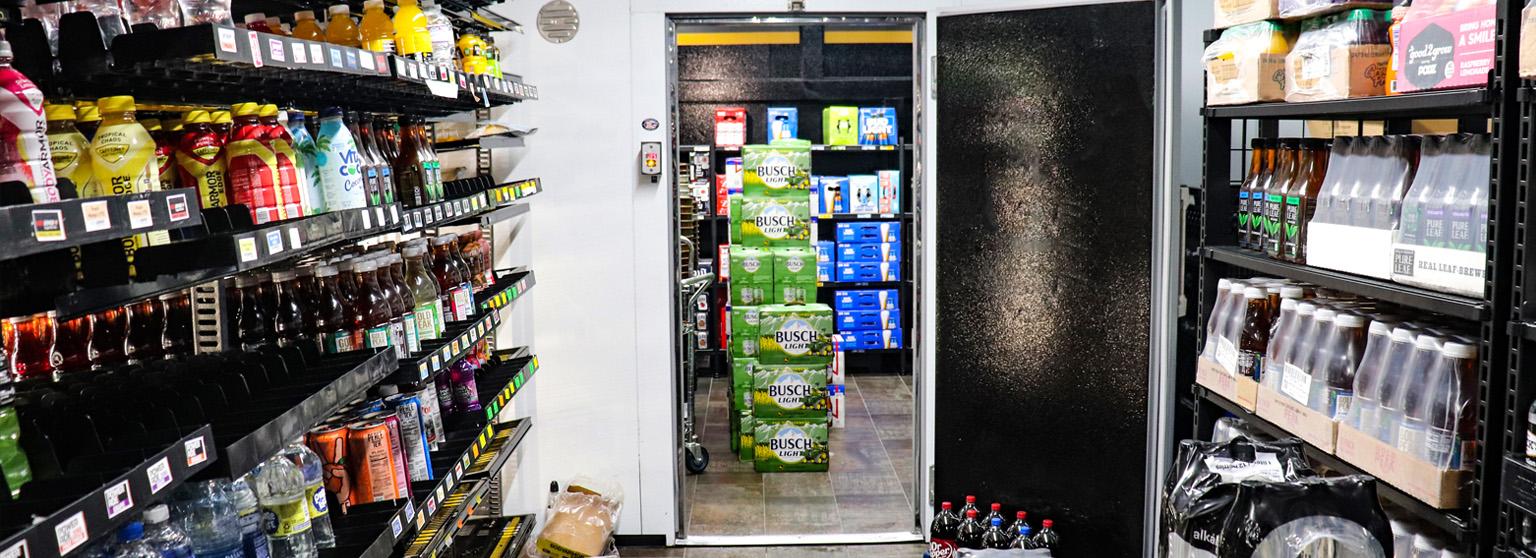
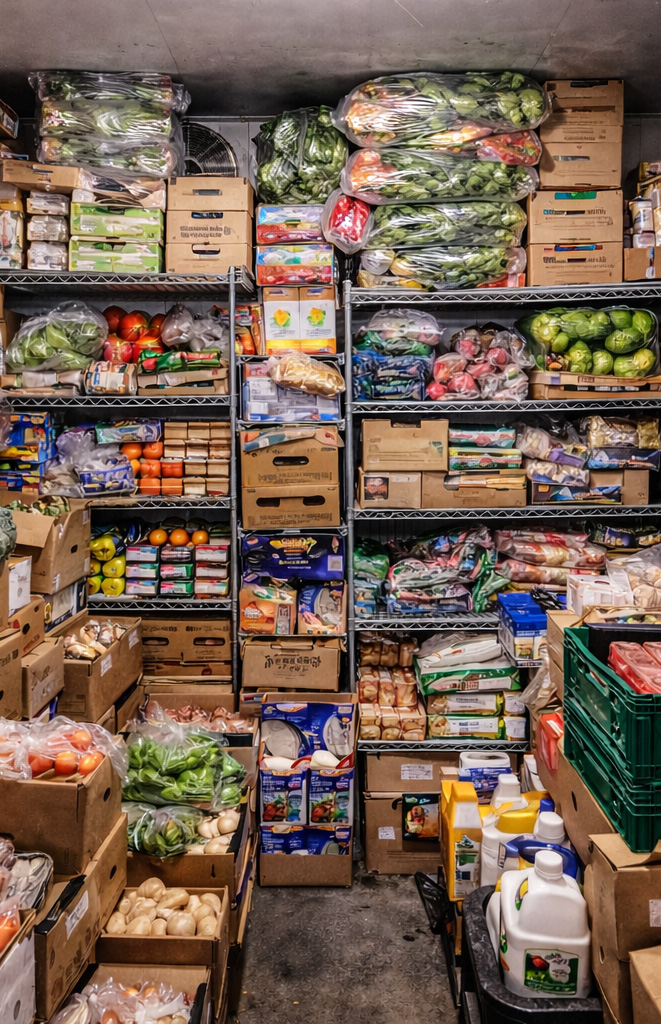
4) Airflow Clearance: Prepare for Peak Storage Season
Fall often leads into a busy period for many operations—especially foodservice, grocery, and high-volume storage environments.
When inventory increases, the walk-in tends to get packed tighter and airflow becomes restricted.
Common airflow mistakes:
- stacking product too close to evaporator fans
- pushing product tight against walls
- blocking circulation with cluttered aisles
- packing shelves so tightly that air can’t pass through
Why it matters:
Restricted airflow causes:
- uneven temperatures
- longer run times
- slower recovery after stocking
- icing where it shouldn’t happen
A quick reorganization in fall can prevent performance issues during the busy months ahead.
5) Moisture Warning Signs: Fix the Source Before It Freezes
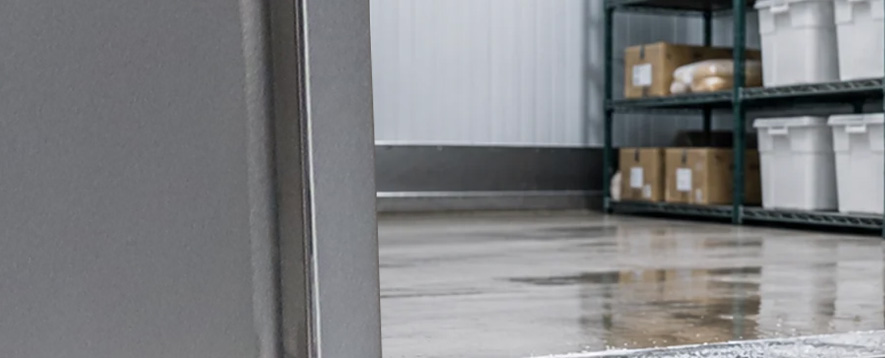
Fall is the best time to identify and correct moisture patterns before they become winter ice problems.
Check for:
- water near the entrance in coolers
- condensation on frames or corners
- frost starting around door edges in freezers
- small wet patches that keep returning
If moisture shows up now, it’s almost guaranteed to become worse as temperatures drop.
6) Operational Habits: Winter Success Starts with Door Discipline
Winter walk-in performance is highly influenced by simple habits:
✅ Don’t prop doors open during stocking
✅ Close between loads whenever possible
✅ Keep entry areas organized for fast picking
✅ Train staff to make sure doors latch fully every time
Reducing door-open time reduces moisture intrusion—which reduces icing issues.
Final Takeaway: Fall Maintenance Prevents Winter Emergencies
Winter problems often start with small fall issues that were easy to fix:
- worn gaskets
- misaligned doors
- damaged sweeps/thresholds
- overloaded storage blocking airflow
- moisture patterns near entrances
Addressing them now means:
✅ fewer service calls
✅ better efficiency
✅ safer entrances
✅ more reliable temperature control
Fall is your window to prepare—before winter puts your walk-in to the test.