
Here’s what’s actually moving right now on the A2L regulations front (the stuff that’s impacting equipment, installs, and what gets approved in the field).
1) EPA AIM Act rules are still evolving (and getting tweaked)
The EPA’s Technology Transitions program under the AIM Act is the big driver pushing lower-GWP refrigerants across multiple HVACR subsectors. EPA is also actively working through reconsiderations / petitions for parts of the rule affecting several refrigeration categories (including cold storage warehouse-related areas and other refrigeration subsectors). (US EPA)
What this means in practice: timelines and specifics can continue to shift a bit by application, so manufacturers and contractors are watching EPA updates closely.

2) Mechanical code adoption is the real bottleneck (state-by-state)
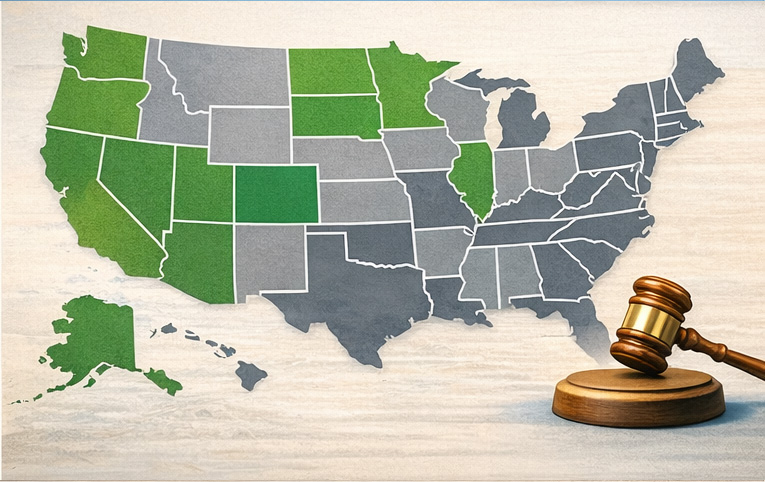
Even when the “industry is ready,” the install still depends on local code adoption and enforcement. The latest International Mechanical Code (IMC) cycle formally recognizes A2L classifications, which helps jurisdictions allow broader A2L use. (NCTCOG)
However, adoption is not uniform—some states/jurisdictions are faster than others, so your “can we install this here?” answer still often depends on where the job is. (ACHR News)
3) ASHRAE 15 updates: more defined guardrails for A2L safety
ASHRAE continues to refine Standard 15 (Safety Standard for Refrigeration Systems). A key recent update is Addendum q to Standard 15-2022, approved Sept 30, 2024. (ASHRAE)
A core concept showing up more in guidance is how the allowable refrigerant charge ties to room volume, air circulation, and mitigation measures (like detection + ventilation control). (Trane)
In the field: this drives requirements like leak detection, airflow/ventilation strategies, and limits depending on application.
4) UL safety standards: deadlines are becoming very real
For commercial refrigeration equipment, one of the most referenced standards is UL 60335-2-89. A key milestone is an effective date of Oct 27, 2025 for new/revised requirements shown in Intertek’s standards update notice. (Intertek)
UL’s standard listing also shows continued revisions and ANSI approval activity. (UL Standards Shop)
Why it matters: UL changes can affect what manufacturers can ship/certify—and what distributors can sell—especially as A2L-ready designs become the norm.
The big “practical takeaway” for contractors & dealers
A2L isn’t just “swap the refrigerant.” The change is being enforced through a stack of:
- EPA rules (AIM Act / Technology Transitions)
- Model codes (IMC/other) + state/local adoption
- Safety standards (ASHRAE 15 / 34)
- Product standards (UL 60335 series)
And the common jobsite impacts are:
- refrigerant detection requirements
- ventilation / mitigation requirements
- charge limits based on room size + system design
- labeling and service procedures
- AHJ approval becoming more detail-driven