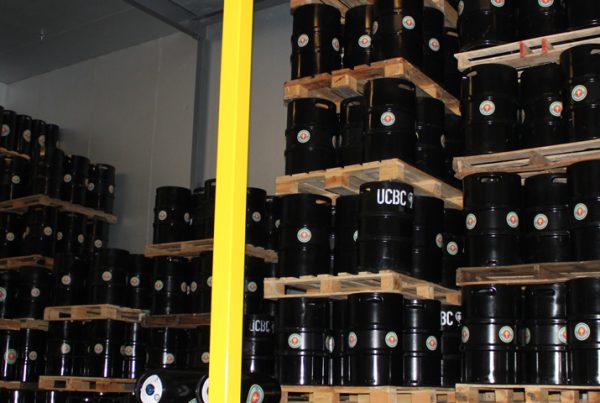
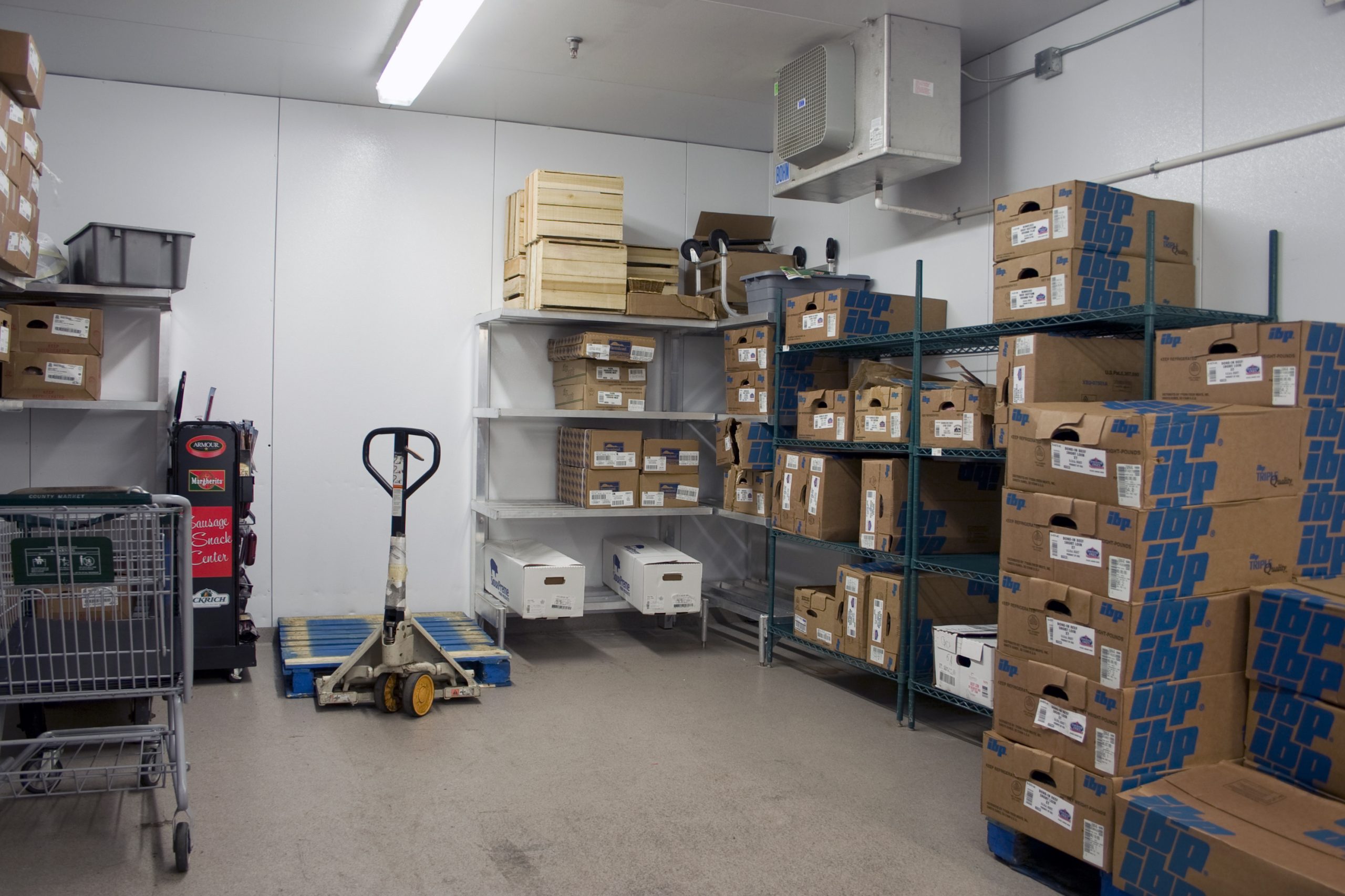
Low product levels can lead to high-risk outcomes.
It might sound counterintuitive, but an empty or nearly empty walk-in cooler can cause just as many issues as an overloaded one. While it’s normal for stock to fluctuate, operating your cooler or freezer with minimal product for extended periods can reduce system efficiency, increase wear and tear, and create temperature instability.
At U.S. Cooler, we design our walk-ins for optimal performance under typical load conditions. Here’s what you need to know about running your unit too light—and how to avoid the hidden risks.
What Happens When Your Walk-In Is Too Empty?
A well-stocked cooler acts like a thermal battery—holding the cold and helping the system run efficiently. When that balance is disrupted by a near-empty space, several performance issues can arise:
❌ Temperature Fluctuations
Product inside your walk-in helps stabilize the internal temperature. Without it, the refrigeration system may cycle on and off more frequently, leading to unsteady temps and excessive compressor wear.
❌ Rapid Warm-Up During Door Openings
An empty cooler warms up much faster when the door is opened. With no mass to retain the cold, the temperature can spike quickly—potentially leading to unsafe storage conditions if items are added without adequate cooldown time.
❌ Short Cycling
Low internal thermal mass can cause the unit to short cycle, turning on and off too often. This wears out components prematurely and increases energy consumption.
❌ Coil Icing or Condensation
With less moisture absorbed by stored items, humidity levels inside the walk-in can rise. This may lead to excess frost on coils, water buildup, and slippery floors.
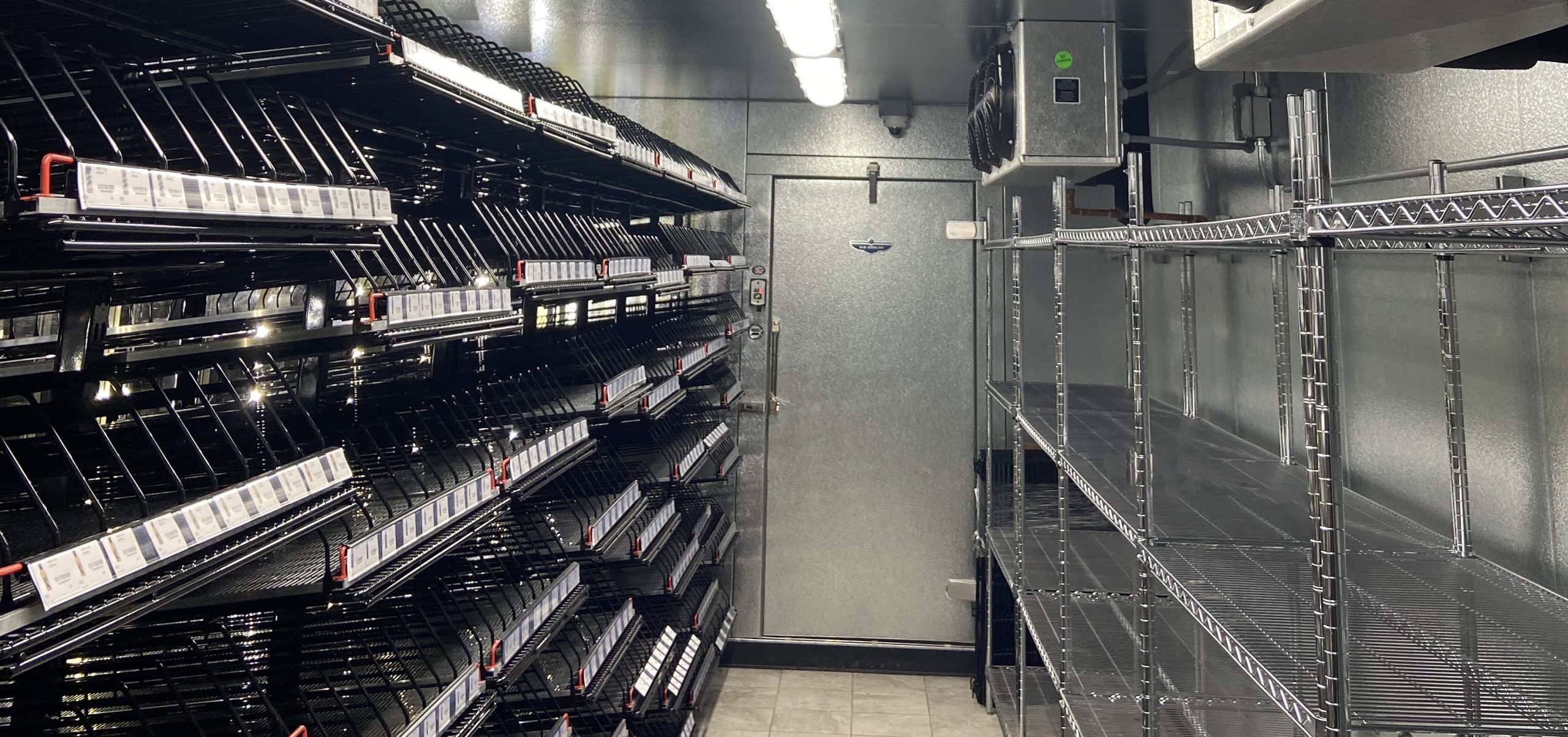
How to Avoid Issues When Stock Is Low
Even if you’re between shipments or entering a slower season, there are steps you can take to protect your system and maintain consistent performance.
✅ Add Thermal Mass
If you’re running low on inventory, consider placing sealed water containers or ice packs in the cooler. These items act as thermal mass, helping maintain stable temperatures and reduce cycling.
✅ Limit Door Openings
Avoid leaving the door open for extended periods when the cooler is nearly empty. The lack of internal product makes the space more sensitive to temperature swings.
✅ Monitor Temperatures Closely
With less product inside, you’ll want to keep a close eye on temperatures using reliable thermometers or digital monitoring systems to ensure proper conditions are maintained.
✅ Perform Preventive Maintenance
An underloaded walk-in may reveal small system issues faster. Make sure your unit is cleaned regularly and inspected for early signs of coil icing or mechanical stress.

Balance Is Key
A U.S. Cooler walk-in is built for performance—but even the best systems rely on smart usage. Running your walk-in empty or nearly empty for long periods can reduce efficiency and strain your equipment. By maintaining reasonable stock levels, adding thermal mass, and monitoring conditions, you’ll protect your investment and ensure optimal performance year-round.
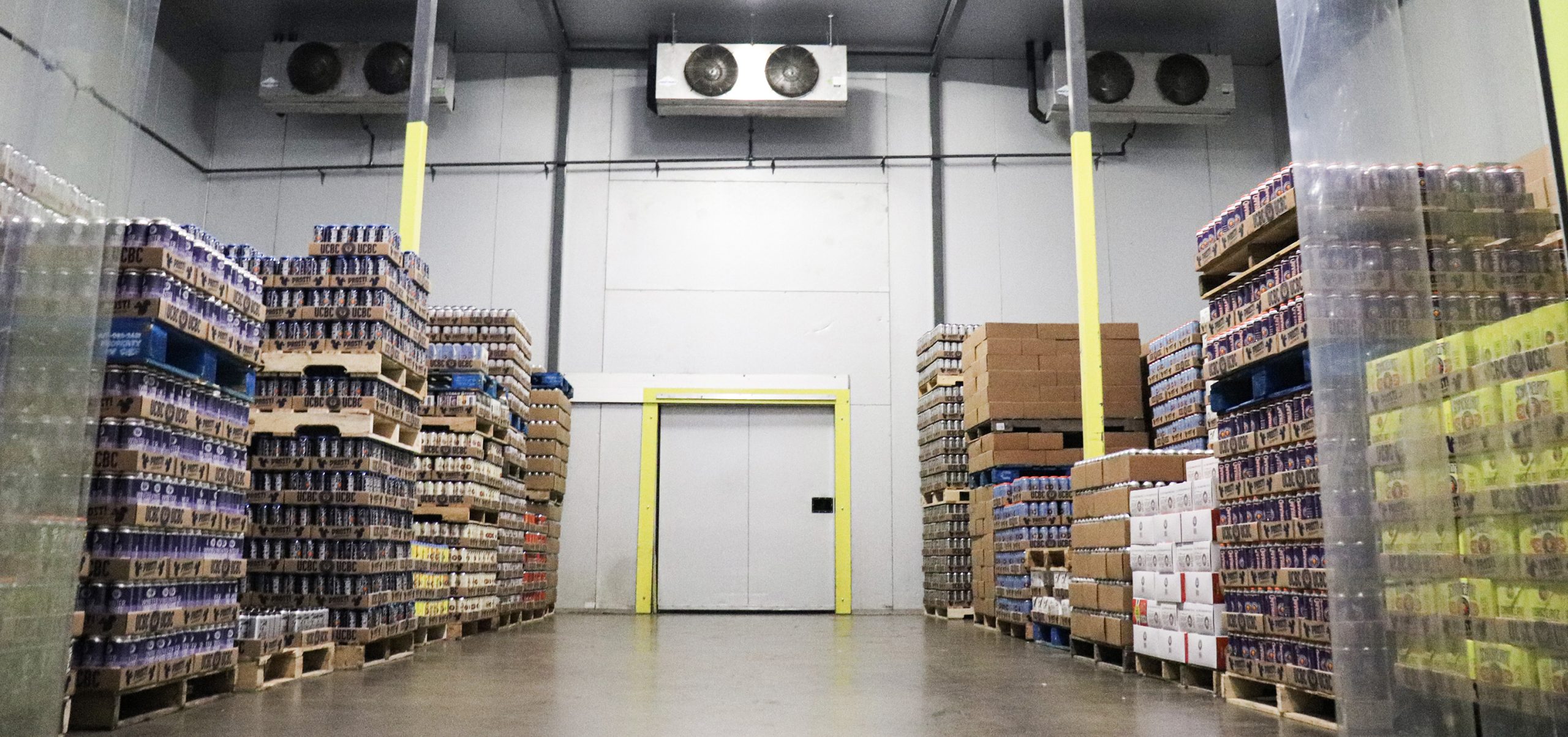
Need help optimizing your walk-in setup?
Contact the experts at U.S. Cooler—we’re here to help you get the most out of your equipment.